The Midlife Non-Negotiable: Why Your Protein Needs Change During Perimenopause
Share

Navigating perimenopause can feel like watching your body rewrite its own rules overnight. From unpredictable energy slumps to sudden changes in skin elasticity, the hormonal transitions of midlife demand a profound shift in how we nourish ourselves. According to the NHS guidelines on menopause management, focusing on a targeted, nutrient-dense diet and strength-preserving habits is one of the most effective lifestyle interventions a woman can make.
At VitaSol UK, we look beyond quick fixes and synthetic trends to understand exactly what your cells need to thrive. Our product range was meticulously formulated by world-renowned nutritional medicine practitioner, skin expert, and cosmetic chemist Fiona Tuck. Known globally as "The Forensic Nutritionist", Fiona has over 30 years of experience in the professional wellness and skincare industry. She takes a rigorous, science-first approach to clean nutrition, decoding misleading marketing to deliver formulas that work at a cellular level. You can read more about her professional background, clinic experience, and media appearances directly on Fiona Tuck’s Official Website.
While our global distributor, Vita-Sol Official, supplies these advanced wholefood formulas worldwide, our mission here at VitaSol UK is to deliver these clean, bioavailable solutions directly to British women navigating the midlife transition.
If there is one foundational macronutrient that becomes an absolute, non-negotiable cornerstone during perimenopause, it is high-quality, bioavailable protein. Here is the science behind why your body is craving protein right now, how to spot a deficit, and how to source it cleanly without triggering digestive inflammation.
The Menopausal Shift: Why Demands Increase
As estrogen levels begin to fluctuate and gradually decline, the body undergoes an intense structural shift. A lesser-known impact of this hormonal transition is an accelerated breakdown of tissue protein.
The British Menopause Society highlights that metabolic changes during midlife frequently alter body composition, causing a natural decline in lean muscle mass alongside changes in weight distribution. Because your body is breaking down its own protein stores at a faster rate, your daily requirement for high-quality amino acids significantly increases. Protein isn't just for building muscle at the gym; it is the fundamental raw material your body relies on to navigate midlife changes with structural resilience.
How Protein Works Hard for You in Midlife
Amino acids are the building blocks of life, and during perimenopause, they pull double duty to keep you feeling balanced and unstoppable:
-
Hormonal & Enzyme Support: Your hormones and metabolic enzymes are fundamentally constructed from proteins. Ensuring an adequate intake provides your body with the exact raw ingredients it needs to maintain internal communication and metabolic function.
-
Blood Sugar Stability & Weight Management: Protein naturally slows down the digestion of carbohydrates, preventing the sharp insulin spikes that can trigger midlife weight gain, stubborn abdominal fat, and intense sugar cravings. It also increases satiety, leaving you feeling genuinely satisfied after meals.
-
Skin, Hair, and Skeletal Resilience: The drop in estrogen can compromise both bone density and skin thickness. When combined with key vitamins and minerals, protein mitigates the risk of age-related bone thinning (osteoporosis) while providing the structural framework for a firm, glowing complexion.
-
Immune System Defence: Your immune system relies heavily on protein to synthesize white blood cells. Keeping your intake optimal helps protect your body against seasonal bugs and environmental stressors.
Whispers from Your Body: Signs of a Protein Deficit
How do you know if your current diet isn't meeting your increased metabolic demands? When your body is running low on essential amino acids, it will send distinct distress signals. Look out for these common warning signs:
-
The Unappeasable Appetite: Feeling constantly hungry or facing intense mid-afternoon energy crashes, even shortly after eating.
-
Changes in Texture: Noticeable thinning hair, sudden shedding, brittle nails, or skin that feels like it has lost its natural bounce.
-
Loss of Tone: Feeling physically weaker or noticing a decline in muscle definition, despite maintaining your usual routine.
-
Persistent Fatigue: Dragging yourself through the day with low energy and a sluggish immune system.
-
Fluid Retention: Unexplained puffiness or holding onto fluid around the ankles and face.
The Wholefood Dilemma: Complete vs. Incomplete Proteins
When looking to up your intake, quality and sourcing are everything. Protein is made up of a variety of amino acids. A 'complete' protein is one that contains all 9 essential amino acids that our bodies cannot produce on their own. While animal sources are naturally complete, individual plant sources are typically 'incomplete,' meaning they lack one or more of these essential building blocks.
For women embracing a plant-forward or vegan lifestyle, this requires meticulous meal planning. To make matters more complicated, many commercial plant protein powders on the market are packed with synthetic isolates, artificial sweeteners, heavy texturizers, and emulsifiers that irritate the gut and trigger low-grade inflammation—the ultimate driver of premature aging.
VitaSol Recommends: Your Perimenopause Protein Toolkit
At VitaSol UK, we are pedantic about purity. We do not believe in isolated synthetic nutrients or unnecessary bulking agents. To support your body beautifully through the perimenopausal transition, we recommend integrating pure, bioavailable nutrition into your daily ritual:
-
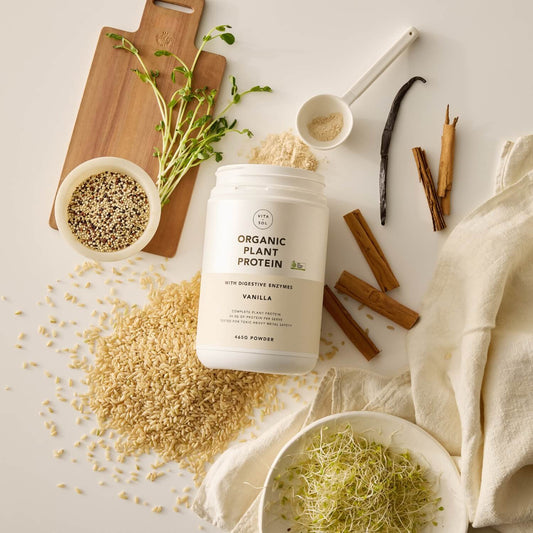
VitaSol Organic Plant Protein Vanilla: Expertly formulated by Fiona Tuck, our premium certified organic plant protein combines sprouted pea and brown rice to deliver a perfectly balanced, complete amino acid profile. To ensure your body can actually absorb it, we’ve infused it with natural plant digestive enzymes to eliminate bloating, alongside prebiotics to support the vital gut-skin axis.
-
VitaSol Collagen Boost: To combat hormonally induced tissue breakdown from the inside out, pair your daily protein with our 100% pure marine collagen peptides. Wild-caught from the North Atlantic, it is highly bioavailable and directly supports deep skin hydration, tissue repair, and joint flexibility.
-
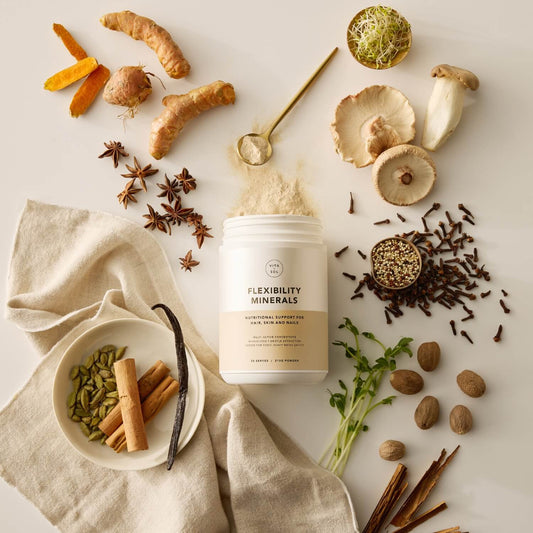
VitaSol Flexibility Minerals: A multi-action mineral blend designed to work in synergy with your protein intake, reinforcing skeletal strength, joint health, and structural support for your hair and nails.
Perimenopause Protein FAQs
How much protein do I actually need during perimenopause?
While individual needs vary based on your activity levels, expert consensus for midlife women is to aim for roughly 1.2 to 1.5 grams of protein per kilogram of body weight daily. This helps actively counteract hormonally induced muscle and tissue breakdown.
Can I get enough complete protein from a plant-based diet?
Yes, but it requires mindful combining of different plant foods (like grains and legumes) throughout the day. Using a clean, expertly curated plant protein powder like VitaSol Organic Plant Protein Vanilla is an easy way to ensure you are hitting all 9 essential amino acids without the guesswork.
Why do some protein powders make me feel bloated?
Many commercial protein powders contain synthetic fillers, gums, artificial sweeteners, and heavy isolates that are difficult for the digestive system to break down—especially since our natural digestive enzyme production tends to decline as we age. Look for wholefood options formulated with added digestive enzymes to support comfortable absorption.
Disclaimer: This information is for educational purposes and is not intended to replace professional medical advice. Always consult with a healthcare professional or nutritional medicine practitioner regarding your specific health needs.