Nutrition for Healthy Skin: The Complete Guide
Share

Healthy-looking skin is often approached from the outside in. Skincare, SPF and professional treatments all have an important place, but the skin is also a living organ that depends on nutrients delivered from within.
For Dr Stephanie Damalis, Vita-Sol UK Clinical Lead and aesthetic doctor, this is one of the most useful shifts in a skin consultation: look at the skin from both the outside and the inside. Topical care can support the surface and barrier, while nutrition supplies many of the building blocks the skin needs to function normally.
That does not mean there is one perfect food, supplement or diet for good skin. The stronger foundation is a consistent dietary pattern that provides enough protein, essential fats, vitamins, minerals and a broad range of plant compounds over time.
DR STEPH’S CLINICAL PERSPECTIVE
“Look at the skin from both the outside and the inside.”
Her practical point is that topical skincare, treatments and SPF remain important. Still, there is a limit to what you can achieve externally if the body isn't getting the nutritional building blocks it needs to support normal skin structure and function.
What Are the Best Foods for Healthy Skin?
Searches for the best foods for skin often suggest there must be a short list of ingredients capable of transforming the complexion. In reality, the evidence points towards a broader dietary pattern rather than a single “hero” food.
A recent review of nutritional dermatology highlights nutrients and phytonutrients including vitamins A, C, D and E, zinc, omega-3 and omega-6 fatty acids, polyphenols, copper, selenium and silicon as relevant to the protection and maintenance of skin health. It also proposes a skin-healthy dietary pattern based on whole foods rather than isolated nutrients alone.
In practical terms, foods good for skin include:
- Oily fish such as sardines, salmon and mackerel
- Eggs, fish, meat, dairy, soy, pulses and other protein-rich foods
- Colourful vegetables and fruit
- Berries, herbs, spices and other polyphenol-rich plants
- Nuts and seeds
- Wholegrains and legumes
- Vitamin C-rich foods such as citrus, kiwi, peppers and berries
The common thread is variety and consistency. Eating one “skin food” occasionally matters far less than the nutritional quality of the diet as a whole.
Why Nutrition Matters for Skin Health
Skin is a metabolically active tissue. Cells in the epidermis are continuously renewed, the skin barrier depends on proteins and lipids, collagen contributes to dermal structure, and the antioxidant systems help protect cells from oxidative stress.
This makes nutrition a relevant part of skin health, but not a replacement for dermatological care. Reviews of diet and skin health consistently emphasise the importance of a well-balanced diet supplying adequate protein, vitamins and minerals while also acknowledging that evidence varies by nutrient, skin concern and intervention.
Dr Steph’s approach is therefore complementary rather than either/or: consider what can be supported externally through treatment and skincare, and what can be supported internally through food, lifestyle and, where appropriate, supplementation.
Protein, Amino Acids & Collagen
Protein is one of the basic nutritional foundations of skin structure. Dietary protein supplies amino acids used throughout the body, including in structural proteins such as collagen.
In clinic, Dr Steph often finds that people underestimate how much protein they are actually eating. Rather than starting with a supplement, one of her first practical questions is whether there is a meaningful source of protein at each main meal.
Useful food sources include fish, eggs, poultry, meat, dairy, soy, beans, lentils, nuts and seeds.
Collagen supplements have also been studied extensively. Several systematic reviews and meta-analyses have reported improvements in measures such as hydration and elasticity with hydrolysed collagen peptides. However, a newer 2025 meta-analysis found that the apparent benefits were not significant in high-quality or non-industry-funded studies. The evidence is therefore promising in parts, but not settled enough to treat collagen as a substitute for a balanced diet or as a guaranteed anti-ageing intervention.
Omega-3 & Essential Fatty Acids
Fat is not simply something to minimise. Essential fatty acids are part of normal physiology, and the skin barrier contains lipids that help limit water loss and maintain its protective function.
Dr Steph considers healthy fats particularly relevant when thinking about dry or dehydrated skin. Oily fish are an especially useful source of long-chain omega-3 fatty acids EPA and DHA, while walnuts, chia and flax provide the plant omega-3 ALA (alpha-linolenic acid).
Research has explored fatty acids in relation to skin barrier function, hydration and inflammatory signalling. The evidence is not a licence to treat omega-3 as a cure for a skin condition, but it supports including healthy fats within a nutritionally complete skin-supportive diet.
Vitamin C & Antioxidant-Rich Foods
Vitamin C has a particularly clear role in normal skin physiology. It contributes to normal collagen formation for the normal function of skin and to the protection of cells from oxidative stress.
Good food sources include berries, citrus fruit, kiwi, peppers, broccoli and leafy greens.
A varied plant-rich diet also brings polyphenols, carotenoids and other compounds that are being studied for their relationship with skin health. The useful message is not to chase megadoses of one antioxidant, but to build regular variety across colourful foods.
Plant Diversity, Polyphenols & Colourful Foods
One of Dr Steph’s most practical food-first recommendations is to increase variety rather than become fixated on one ingredient. Different plants provide different combinations of fibre, vitamins, minerals, polyphenols and carotenoids.
A plate that regularly includes greens, berries, herbs, spices, orange and red vegetables, pulses, nuts, seeds and wholegrains naturally broadens the range of plant compounds consumed over time.
Plant diversity also connects skin nutrition with the gut microbiome because many fibres and polyphenols interact with gut microbes. This is one reason Vita-Sol’s wider nutritional skincare approach considers the gut alongside the skin rather than treating each in isolation.
Hydration: More Than Just Drinking Water
“Drink more water” is often the first piece of advice given for dry-looking skin, but skin hydration is more complicated than fluid intake alone.
Hydration is influenced by the skin barrier, lipid composition, topical care, environment, age, diet and overall fluid intake. This is also why dry skin and dehydrated skin are not identical.
Dry skin is generally associated with a lack of oils or lipids, while dehydrated skin refers more specifically to water content. Both can look dull or feel tight, but the underlying picture may differ.
From a nutritional perspective, Dr Steph looks at fluid intake alongside healthy fats, protein adequacy and overall dietary quality rather than treating water as the only answer.
The Gut-Skin Connection
Nutrition also affects the skin indirectly through the wider systems with which it communicates.
The gut microbiome interacts with dietary fibre, polyphenols and other compounds, producing metabolites that can influence immune and metabolic signalling. Research into the Gut-Skin Axis has identified associations between the microbiome and several skin conditions, although association does not mean that changing the microbiome will treat or cure them.
For Dr Steph, the useful clinical message is to look beyond the surface. Her wider Gut-Liver-Skin framework is simple: “The gut decides what gets absorbed. The liver decides how it’s processed. The skin shows the result.” It is a simplified description of a complex system, but it helps patients understand why nutrition and skin health cannot always be separated.
Nutrition for Different Skin Concerns
Dry & Dehydrated Skin
Dr Steph approaches dry or dehydrated skin by looking at hydration, essential fatty acids, protein and whether the wider diet provides enough nutrients to support normal skin structure and barrier function.
This can complement moisturisers and barrier-supportive skincare, but it should not be presented as a replacement for topical care or medical assessment where symptoms persist.
Breakout-Prone Skin
For breakout-prone skin, Dr Steph takes a broader view. Rather than blaming one food, she considers the overall dietary pattern, gut health, meal structure and factors that may affect blood-glucose regulation.
Research has explored links between diet and common dermatological disorders, including dietary patterns associated with acne, but individual responses vary and the evidence does not justify unnecessary restrictive diets for everyone.
Her practical starting point is balanced meals, adequate protein, whole foods, fibre and plant diversity rather than trying to “fix” breakouts with a single supplement.
Healthy Ageing
For ageing skin, Dr Steph places more emphasis on protein, healthy fats, antioxidant-rich foods and overall consistency.
Skin changes naturally with age, while cumulative UV exposure remains one of the major drivers of visible skin ageing. Nutrition cannot stop ageing, but it can contribute to the foundations that support normal skin structure and function over time.
Food First: Building a Skin-Supportive Diet
The most useful advice is often the least complicated. Dr Steph’s food-first approach focuses on the habits people can repeat consistently:
- Include a meaningful source of protein at each main meal
- Eat oily fish regularly where appropriate
- Include healthy fats from foods such as nuts, seeds, olive oil and avocado
- Eat a wide variety of vegetables, fruit, herbs and spices
- Choose wholegrains and legumes regularly
- Reduce reliance on highly processed foods
- Eat proper meals rather than relying on constant grazing or snacking
- Drink enough fluid for your individual needs
- Aim for consistency rather than dietary perfection
One of the misconceptions she sees most often is the idea that one supplement can compensate for a poor diet or “fix” a skin concern. Supplements may have a role, but they work best when the basic nutritional foundations are already in place.
Where Supplements Can Fit
Supplements can be useful when they add something specific to an already considered diet — for example, additional protein or collagen peptides, omega-3 fatty acids, vitamin C or a convenient source of wholefood plant ingredients.
They should not be used to replace a varied diet, SPF, appropriate skincare or medical treatment.
This is the distinction at the heart of Vita-Sol’s approach: food comes first; supplementation is there to complement it.
The Vita-Sol Approach to Nutritional Skincare
Vita-Sol’s skin-focused products are designed to sit alongside the external side of skin care rather than compete with it.
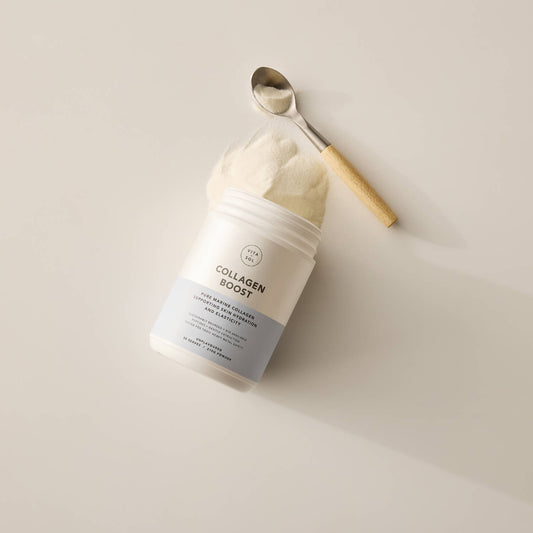
- Collagen Boost: Marine collagen peptides that can complement a protein-rich diet and healthy-ageing routine.
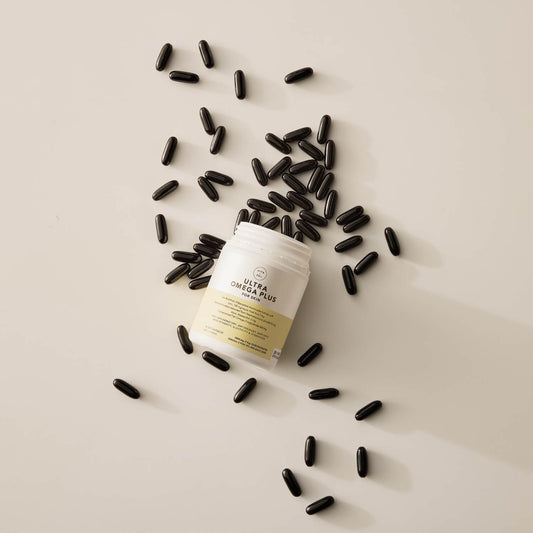
- Ultra Omega Plus For Skin: Omega-3 EPA and DHA alongside astaxanthin and sea buckthorn.
- Infinity Anti-Ox + Vit C: A wholefood vitamin C and antioxidant formula; vitamin C contributes to normal collagen formation for normal skin function and protection of cells from oxidative stress.
For Dr Steph, the objective is not to replace professional skincare with nutrition. It is to make the overall approach more complete: support the outside appropriately, while making sure the internal foundations are not being ignored.
A More Complete View of Healthy Skin
Healthy-looking skin is influenced by genetics, age, UV exposure, skincare, treatments, sleep, stress, lifestyle and nutrition. No single food or supplement controls that picture.
But nutrition is one part we can influence repeatedly, every day.
The strongest approach is not to search endlessly for the one best food for skin. It is to build a diet that consistently provides protein, essential fats, colourful plants, fibre, vitamins and minerals, as well as to combine that with the topical care and professional support the skin needs.
In Dr Steph’s words, look at the skin from both the outside and the inside.
Frequently Asked Questions
What are the best foods for healthy skin?
A varied diet containing protein-rich foods, oily fish, colourful vegetables and fruit, nuts, seeds, legumes and wholegrains provides many of the nutrients and plant compounds associated with normal skin health. There is no single “best” food that replaces the overall dietary pattern.
Does diet affect skin health?
Diet provides nutrients involved in normal skin structure, collagen formation, antioxidant defence and barrier function. Broader dietary patterns may also interact with gut and metabolic health, although diet is only one part of the overall skin picture.
What nutrients are important for healthy skin?
Protein, vitamin C, essential fatty acids, zinc, vitamin E, carotenoids and polyphenols are among the nutrients and compounds commonly discussed in skin-health research.
Can food improve dry skin?
Nutrition can support normal skin function, but dry skin has many possible causes and may also need appropriate topical care. Healthy fats, adequate protein, fluid intake and a varied diet are sensible nutritional foundations.
Does collagen help skin?
Some systematic reviews and trials report improvements in hydration and elasticity with hydrolysed collagen peptides, but newer analyses have raised concerns about study quality and industry funding. The evidence is therefore mixed rather than definitive.
Is omega-3 good for skin?
Omega-3 fatty acids are essential dietary fats and have been studied in relation to skin barrier function and inflammatory signalling. Oily fish is a useful dietary source of EPA and DHA.
Can supplements replace a healthy diet?
No. Supplements can complement a varied diet but should not be treated as a substitute for food, SPF, skincare or medical treatment.
Research References
- Nutritional Dermatology: Optimizing Dietary Choices for Skin Health — Nutrients, 2025.
- Diet and skin health: The good and the bad — Nutrition, 2024.
- Dietary Influences on Skin Health in Common Dermatological Disorders — Cureus, 2024.
- Effects of Oral Collagen for Skin Anti-Aging: A Systematic Review and Meta-Analysis — Nutrients, 2023.
- Effects of Collagen Supplements on Skin Aging: A Systematic Review and Meta-Analysis of Randomized Controlled Trials — American Journal of Medicine, 2025.
Looking to support your skin from within?
Explore Vita-Sol’s skin-focused wholefood supplements, designed to complement a varied diet, professional skincare and your wider wellbeing routine.