Signs Your Gut Health Is Affecting Your Skin | Vita-Sol UK
Share

Signs Your Gut Health Is Affecting Your Skin
Your skin is one of the body’s most visible indicators of internal health. When something is out of balance internally, it often shows up on the surface, and one of the most common underlying drivers is gut health.
If your skin isn’t responding to topical treatments the way you’d expect, it may be time to look beyond skincare and consider what’s happening internally.
What Is the Gut–Skin Axis?
The gut and skin are closely connected through the gut–skin axis, a network of interactions between the digestive, immune, and skin systems that influences how both organs function.
Your gut is home to trillions of microorganisms, collectively known as the gut microbiome. When this system is in balance, it helps regulate inflammation, support immune function and maintain calm, resilient skin. When it becomes imbalanced in a state known as dysbiosis, the effects are often felt far beyond the digestive tract.
How the gut affects the skin
There are three main pathways through which gut health influences the skin:
Immune signalling. Around 70% of the immune system is based in the gut. When the gut lining is compromised, inflammatory signals can spread throughout the body and manifest visibly on the skin.
Microbial byproducts. Beneficial gut bacteria produce short-chain fatty acids (SCFAs), which help regulate inflammation and support both gut and skin barrier function.
Stress response. Chronic stress increases cortisol, which can weaken both the gut lining and the skin barrier, creating a cycle of ongoing inflammation that affects both systems simultaneously.
In simple terms: a balanced gut supports calmer, clearer skin.
Signs Your Gut Health May Be Affecting Your Skin
These signs aren’t diagnostic on their own, but if several occur together, particularly alongside digestive symptoms, the gut–skin connection is worth exploring.
1. Persistent breakouts that don’t respond to skincare
If you’ve tried multiple topical treatments and still experience ongoing breakouts, internal factors may be involved. Gut imbalances can influence hormone metabolism, particularly androgens, as well as sebum production and systemic inflammation, all of which play a direct role in how the skin behaves.
Breakouts around the jawline and chin, especially when they occur alongside bloating or hormonal fluctuations, can be a useful indicator of this connection.
2. Dull or uneven skin tone
If your skin lacks brightness despite a consistent routine, it may not be a skincare issue at all. Poor gut health can impair the absorption of key nutrients, including vitamin C, zinc, vitamin A and essential fatty acids, all of which are essential for skin renewal and maintaining an even tone.
If these nutrients aren’t being properly absorbed, the skin simply cannot use them, regardless of how good your diet looks on paper.
3. Redness, rosacea or sensitive skin
Rosacea has one of the strongest associations with gut health in the research literature, particularly with conditions such as SIBO (small intestinal bacterial overgrowth). More broadly, frequent redness, flushing, or skin sensitivity can reflect underlying gut inflammation.
When the gut barrier is compromised, inflammatory compounds can enter the general circulation and trigger visible skin reactions, a mechanism that helps explain why managing gut health is increasingly being explored alongside conventional approaches to rosacea.
4. Eczema or dry, reactive skin
The gut microbiome plays a central role in regulating the immune system, and imbalances in gut bacteria have been linked to reduced microbial diversity, increased immune reactivity and higher rates of inflammatory skin conditions, including eczema.
Supporting gut health won’t replace medical treatment where it’s needed, but the evidence suggests it can play a meaningful role in reducing flare frequency and severity over time.
5. Skin that worsens during stressful periods
If your skin reliably flares when you’re stressed, the gut–stress–skin axis is likely involved. Stress can disrupt the balance of gut bacteria, increase gut permeability and trigger the kind of low-grade systemic inflammation that shows up on the skin. Notably, the gut also produces around 90% of the body’s serotonin, linking mood, inflammation and skin health more closely than most people realise.
6. Digestive symptoms alongside skin concerns
This is often the clearest signal. If you regularly experience bloating, gas or irregular digestion at the same time as skin flare-ups, it’s worth treating these as connected rather than separate issues because in many cases, they are.
How to Support Your Gut and Your Skin
The gut microbiome is highly responsive to change. With consistent support, improvements in both digestive and skin health are often noticeable within four to six weeks.
-
Increase fibre intake. Fibre feeds beneficial gut bacteria. Focus on vegetables, fruits, legumes and whole grains.
-
Reduce ultra-processed foods and sugar. These disrupt the microbial balance and promote inflammation, leading to clear skin changes.
-
Support with targeted supplementation. Wholefood-based greens formulas can help improve nutrient intake while actively supporting gut and liver function.
-
Add omega-3 fatty acids. EPA and DHA help reduce the systemic inflammation linked to both gut dysfunction and skin reactivity.
-
Manage stress consistently. Sleep, regular movement, and nervous system regulation all play meaningful roles in maintaining gut balance.
Supporting the Gut–Skin Axis with VITA-SOL
At VITA-SOL, every formula is built around one core principle: supporting the internal environment that healthy skin depends on. Rather than addressing symptoms in isolation, we focus on the root systems: gut health, liver function and systemic inflammation that drive lasting skin change.
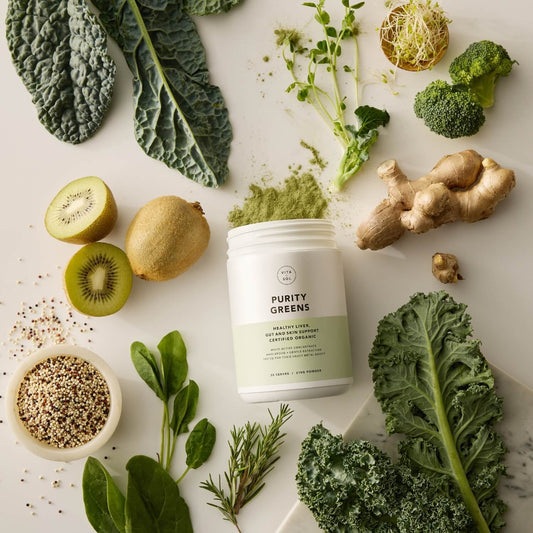
Vita-Sol Purity Greens is a nutrient-dense wholefood formula designed to support gut health, liver function and microbial balance, providing the internal foundation that glowing skin depends on.
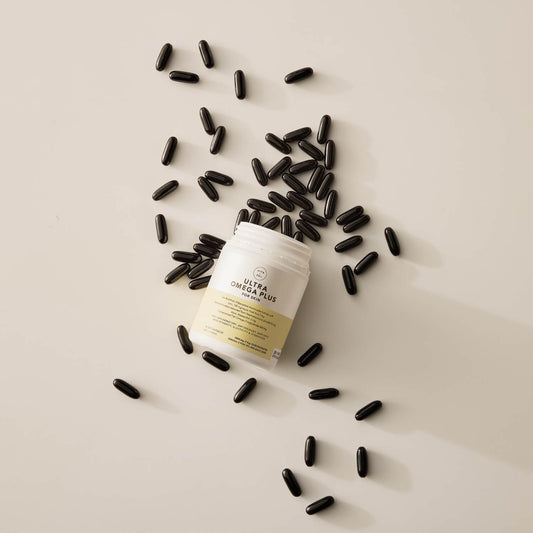
Vita-Sol Ultra Omega Plus for Skin provides high-quality omega-3 fatty acids to help regulate systemic inflammation and support skin clarity from within.
You can also explore our full wholefood supplement range [link to collections page] to find the right starting point for your skin and gut health goals.
The Bottom Line
When your skin isn’t behaving as expected, it’s often reflecting something deeper. The gut–skin axis helps explain why topical treatments alone aren’t always enough and why supporting the body internally can be the most effective long-term approach.
Healthy skin and a healthy gut aren’t separate goals. They’re the same system, working together.
This article is for informational purposes only and does not constitute medical advice. If you are experiencing persistent skin or digestive symptoms, please consult a qualified healthcare professional.